Multi-SKU planning
Decide which product families earn a place in the range before creating unnecessary colour and size combinations.
Build a structured grip sock assortment with practical multi-SKU, packaging and replenishment logic.
Wholesale buyers need enough range to serve different customers without creating an uncontrolled catalogue. Start with a small group of proven product directions, then organize colours, sizes and packaging around the channels you actually need to support.
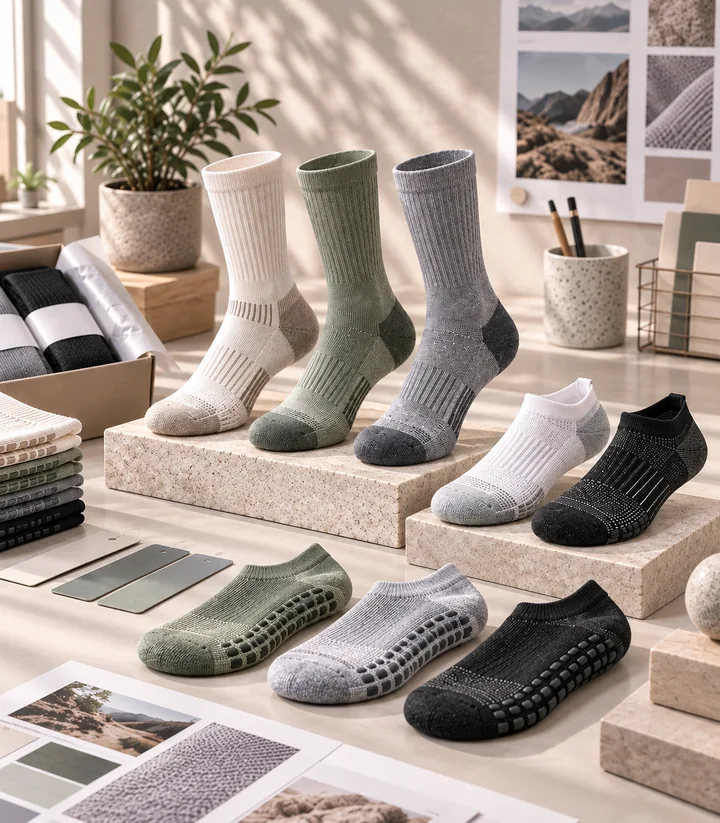
Styles, colours, size runs, packaging and channel requirements affect each other. A controlled assortment keeps the first order easier to sample, pack, replenish and extend.
Decide which product families earn a place in the range before creating unnecessary colour and size combinations.
Build practical size distributions around expected customers and channel demand rather than dividing quantities evenly by default.
Choose bulk, bands, bags, boxes or retail presentation according to the channel and pack structure.
Separate long-term core sellers from colour refreshes or test products so replenishment remains easier to manage.
Start with the strongest categories for your customer base, then add adjacent products only when they serve a clear retail, club, studio or activity-channel need.
General athletic sock routes for distributors serving fitness, gym and training customers.
View Running & Training →Teamwear-oriented styles for clubs, schools and sports retail channels.
View Team Sports →Specialist grip-sock directions for studios, venues, sports and private-label programs.
View Grip Socks →Retail-ready assortment routes for clubs, specialist stores and multi-channel sellers.
View Club & Retail →Use suitable base products when the buying program needs a simpler path into branding and packaging.
View White Label Range →Use a custom route for products that do not fit the standard catalogue or require a dedicated construction.
View Custom Development →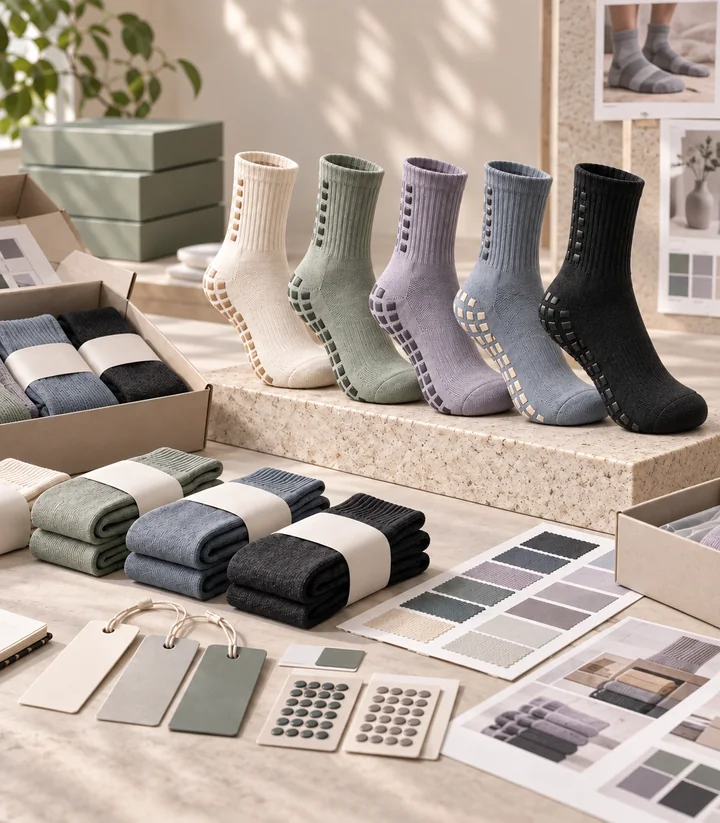
One approved product can support different channels without rebuilding the sock every time. Preserve the construction and approved quality baseline, then manage colour, pack format and presentation as controlled variations.
Use one controlled workflow so product selection, SKU structure, sampling, packaging and replenishment stay connected from the first order onward.
Confirm target channels, core categories, size range, packaging direction and approximate assortment width.
Organize styles, colours and size splits into a practical SKU plan before sampling.
Approve the physical product, visible details and the intended pack format.
Build the first order around the approved core assortment and channel-specific packaging plan.
Reorder proven SKUs, rotate colours and add adjacent products without rebuilding the whole catalogue.
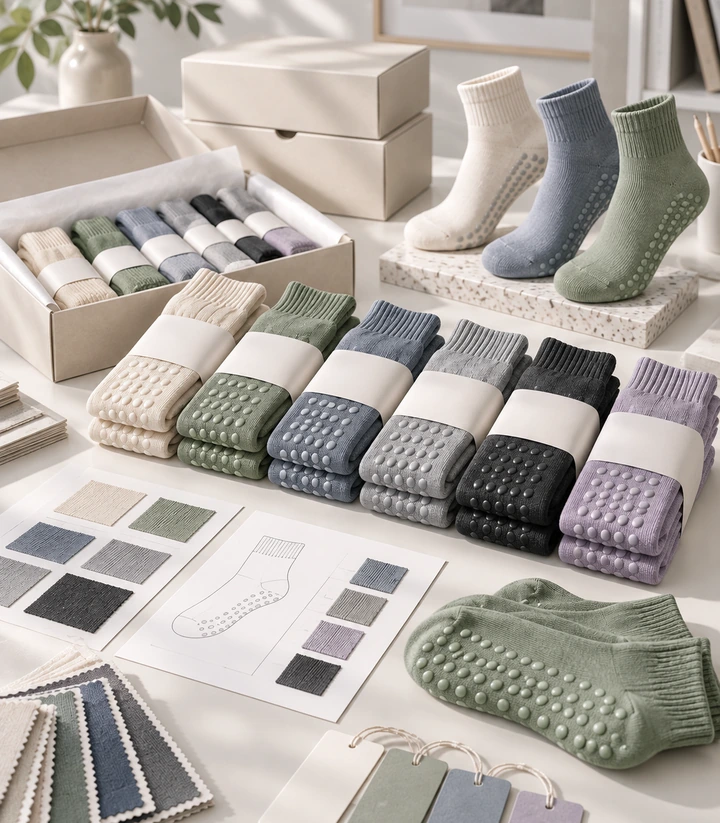
Wholesale growth is easier when the strongest styles stay stable. Keep the approved construction and core SKU records, then add colour refreshes, channel-specific packs or adjacent applications as demand becomes clearer.
Share the target sales channels, preferred categories, expected colour and size structure, packaging direction, approximate quantity and target timing. The final SKU plan can be refined during sampling.