Select the base
Choose the application, sock height, fit and grip direction that best match the intended customer.
Build a focused first sock range from a suitable base construction. Review style availability, branding, quantities and packed samples before committing to a launch date or adding more product variations.
White label works best when the first launch stays focused. Choose a suitable base product, control the first colourways and packaging, then use real market feedback to decide where deeper customization adds value.
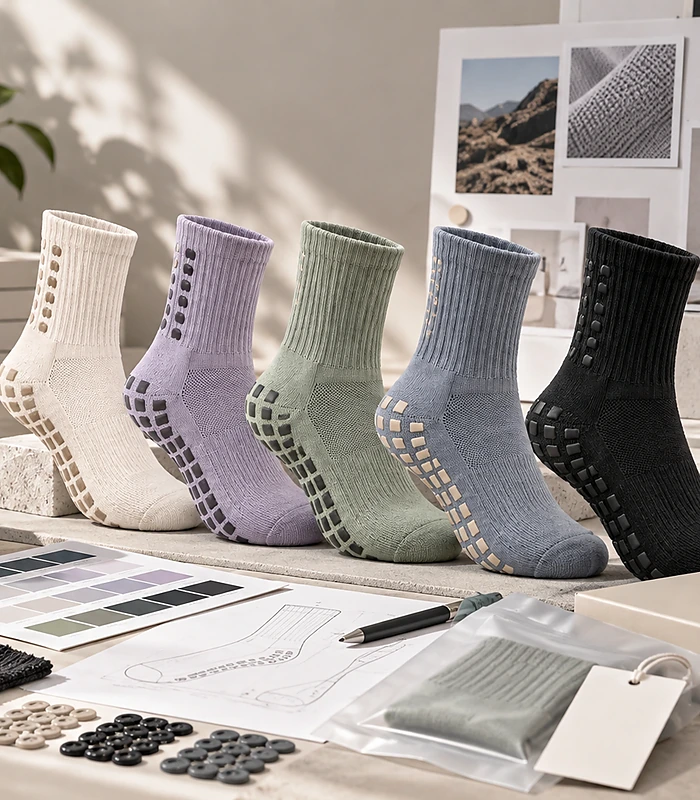
The strongest first launch is usually a controlled system rather than a large catalogue. Keep the core decisions connected so production, packaging and reorders stay manageable.
Choose the application, sock height, fit and grip direction that best match the intended customer.
Coordinate colours, labels, visible identity and retail presentation around one consistent product direction.
Review the complete physical product, not isolated artwork, before confirming the first bulk order.
Use the first sales cycle to identify which colours, styles and packaging choices deserve deeper investment.
New brands do not need every category at launch. Start with the strongest commercial directions, then expand the same brand system into adjacent products after validation.
Start from suitable base product directions and add brand colours, packaging and presentation.
View White Label RangeA strong route for studio, wellness and DTC brands that want a recognizable grip category.
View Pilates Grip SocksUse training-oriented styles when the brand positioning extends beyond studio categories.
View Training & Sports GripUseful for brands that need retail-friendly packs, club programs or broader merchandising routes.
View Club & RetailMove here when the approved base product needs a more distinctive grip pattern or brand-specific structure.
View Custom Grip SocksUse full custom development after the market has validated a need that the white label base cannot cover.
View Custom Development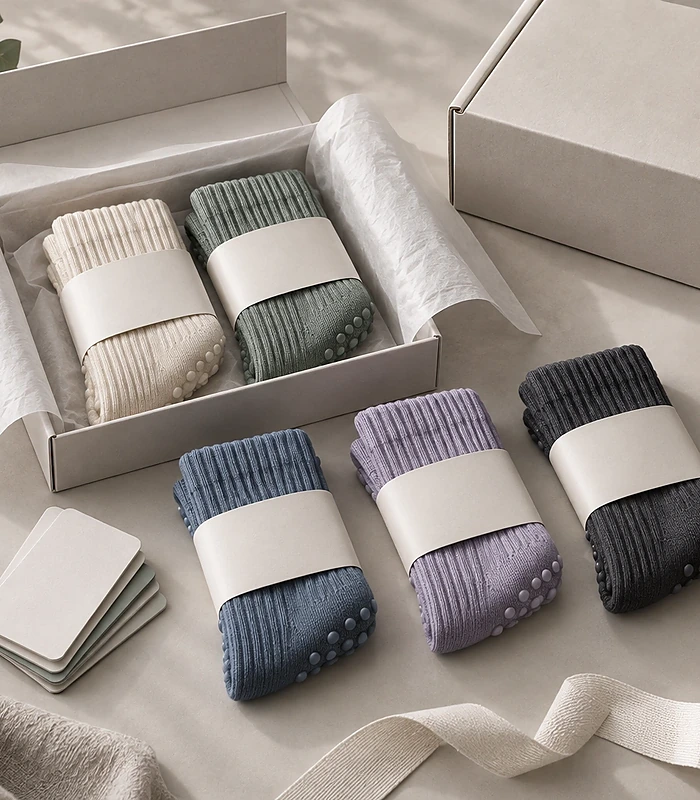
Keep the approved sock construction stable while adapting the visible parts of the offer to your brand and channel. This makes it easier to test the market without rebuilding the product every time.
Use a staged process so the first order stays practical, while successful products can later evolve into more distinctive custom versions.
Select the base product direction, target channel and first colour story.
Add labels, packaging and visible brand elements around the approved product.
Review the complete physical product and approve the first sellable version.
Start with a controlled assortment and collect real sales feedback.
Expand successful products into custom colours, structures, grip directions or new styles.
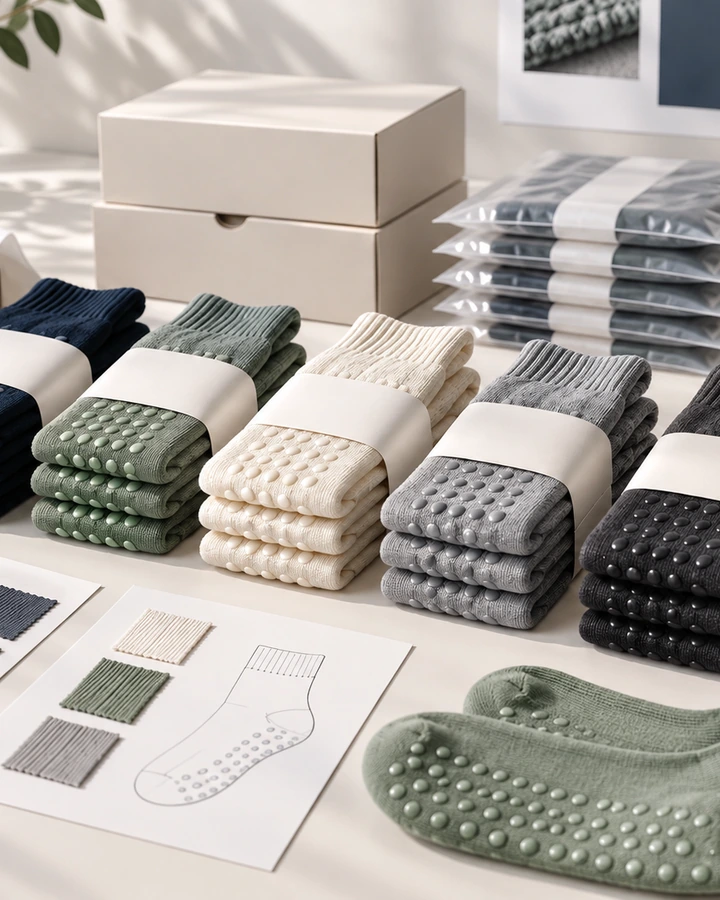
After launch, preserve the approved product and packaging references so the strongest sellers can be replenished quickly. Add complexity only where sales data shows a reason to do it.
Share the target market, preferred base product, first colourways, packaging direction, approximate quantity and target date. The range can be refined during sampling.
Start by confirming a suitable base style. Availability and customization scope need review before you promise a launch date.
| Buying decision | Prepare this information | Use it to confirm |
|---|---|---|
| Base style | Use case, sock height and reference product. | Confirm a suitable available base instead of assuming every pictured style is stocked. |
| First assortment | Must-have colours, sizes and quantity per SKU. | Start with the choices you can explain and support. |
| Brand readiness | Logo file, colour references and pack artwork. | Agree which details need a physical sample or artwork approval. |
| Launch date | Target arrival date and destination. | Allow for sample approval, production and transport separately. |
Use the product route that matches your customer and order purpose. Keep its approved style, size allocation and packing reference together.