Base product
Define the use case, sock height, fit direction and knit construction before adding visual branding.
Build a focused grip sock line that can be sampled, approved, launched, replenished and expanded without rebuilding the sourcing process every season.
For a growing grip sock brand, the useful question is not only “Can this style be made?” It is whether the whole product system can be sampled, approved, merchandised and reordered in a controlled way.
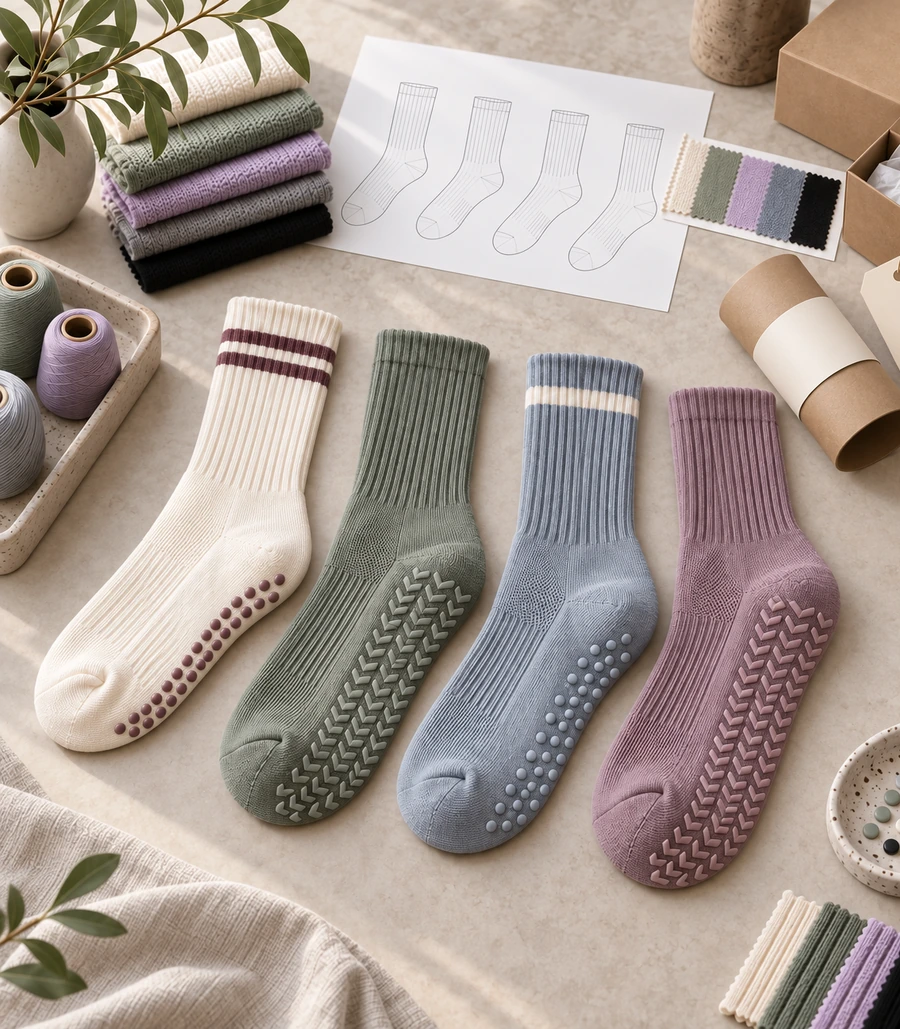
Keep the key product decisions connected. A brand program is easier to grow when the base sock, grip, identity and packaging are planned as one repeatable system.
Define the use case, sock height, fit direction and knit construction before adding visual branding.
Plan coverage, pattern, placement and colour so the grip supports the product rather than feeling added later.
Coordinate body colours, logos, knitted details, labels and visible design cues across the range.
Choose packaging, bands, hangtags, multipacks or boxes that fit the sales channel and assortment structure.
Not every brand needs every category at launch. Start with the strongest commercial directions, then extend into adjacent use cases after the first products are validated.
Core studio and wellness direction with multiple silhouettes, grip options and private-label presentation.
View category →Teamwear-oriented development with repeatable club colours and grip-focused product options.
View category →Venue programs built around clear colour, sizing, packing and reorder logic.
View category →Grip sock directions for studio and wellness buyers that need product variety without an uncontrolled assortment.
View category →Broader sports and training product routes for brands extending beyond studio categories.
View category →Use this route when the planned product does not fit a standard catalogue direction.
View category →Use a controlled process so each new product adds to the same system instead of creating a new sourcing problem every time.
Confirm buyer, use case, product direction and the first assortment structure.
Coordinate construction, grip, colours, identity and packaging around the brief.
Review the complete physical product rather than approving isolated design elements.
Build the first bulk assortment around the approved styles, colourways and pack plan.
Replenish the strongest products and extend the same brand system into new colours or applications.
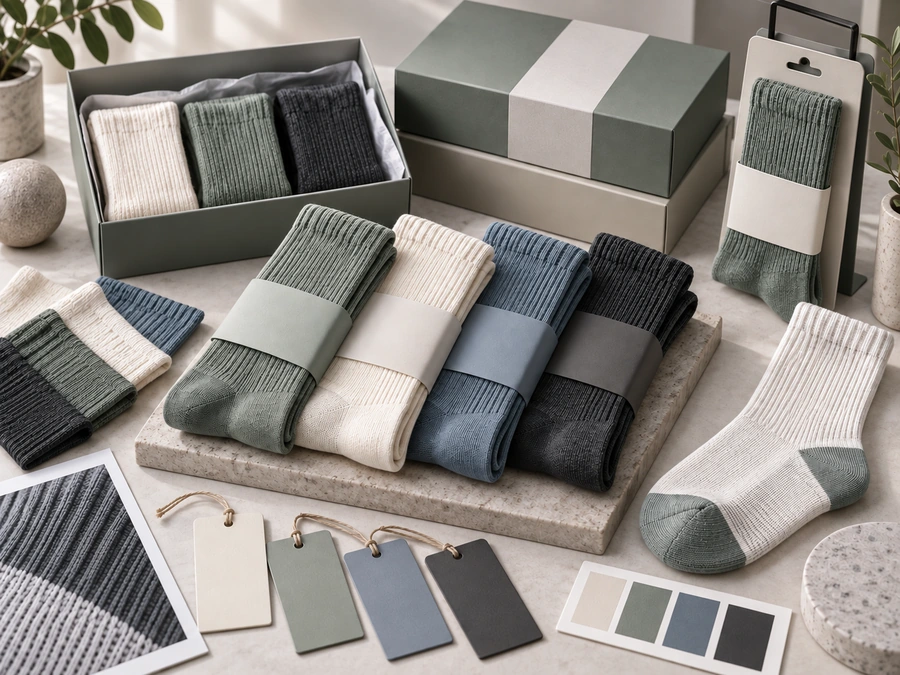
Strong growth usually comes from improving and extending what already works. Preserve approved product references so new orders, colour extensions and packaging changes start from a controlled baseline.
Share the target market, reference products, planned first styles, approximate quantity and launch timing. The project can be refined during sampling.